Freight electrification should be a national investment priority
Power more of Australia's vehicles with affordable locally produced electricity.

Sector opportunity: Electrify road freight
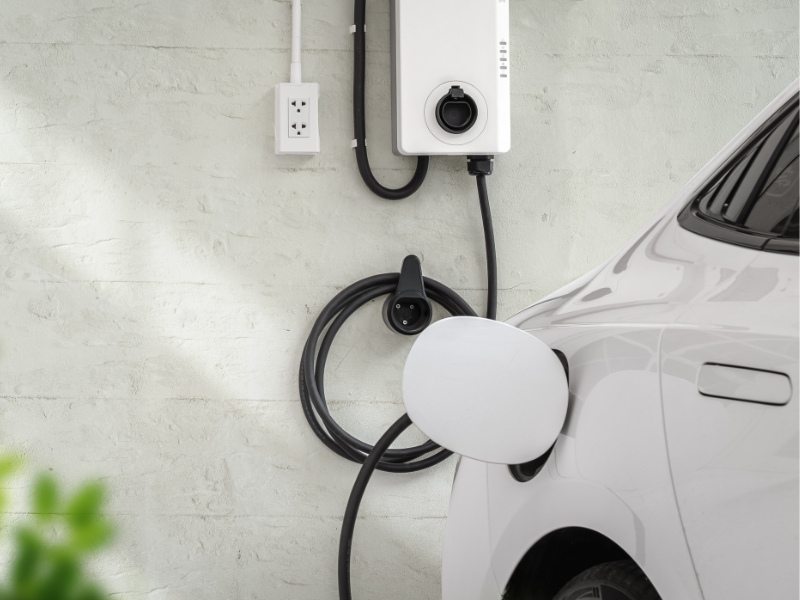
Australia's transport runs almost entirely on imported fuel. In March 2026 alone, automotive fuel prices rose more than 30 per cent in a single month, driving up costs for every household and business. All people in Australia who need to drive deserve to benefit from access to an electric vehicle, which has lower fuel and maintenance costs. Even with the introduction of efficiency standards bringing lower cost vehicles in Australia, the upfront cost of a new or second-hand EV is prohibitive for many.
77%
In Australia, 77% of trips made by trucks today can already be covered by electric trucks. Light urban, heavy urban and most regional haul freight is readily electrifiable, and electric trucks already offer the lowest total cost of ownership.
90%
The upfront cost is a barrier to many small and medium enterprises, and small businesses are 90% of the trucking sector.
What's possible
Modelling* shows Australia can power a greater share of transport with electricity.
Today
Electricity share of energy use
By 2035
Electricity share of energy use by 2035
Electrifying freight
Electric trucking is proving capable of reducing emissions while supporting efficient freight operations.
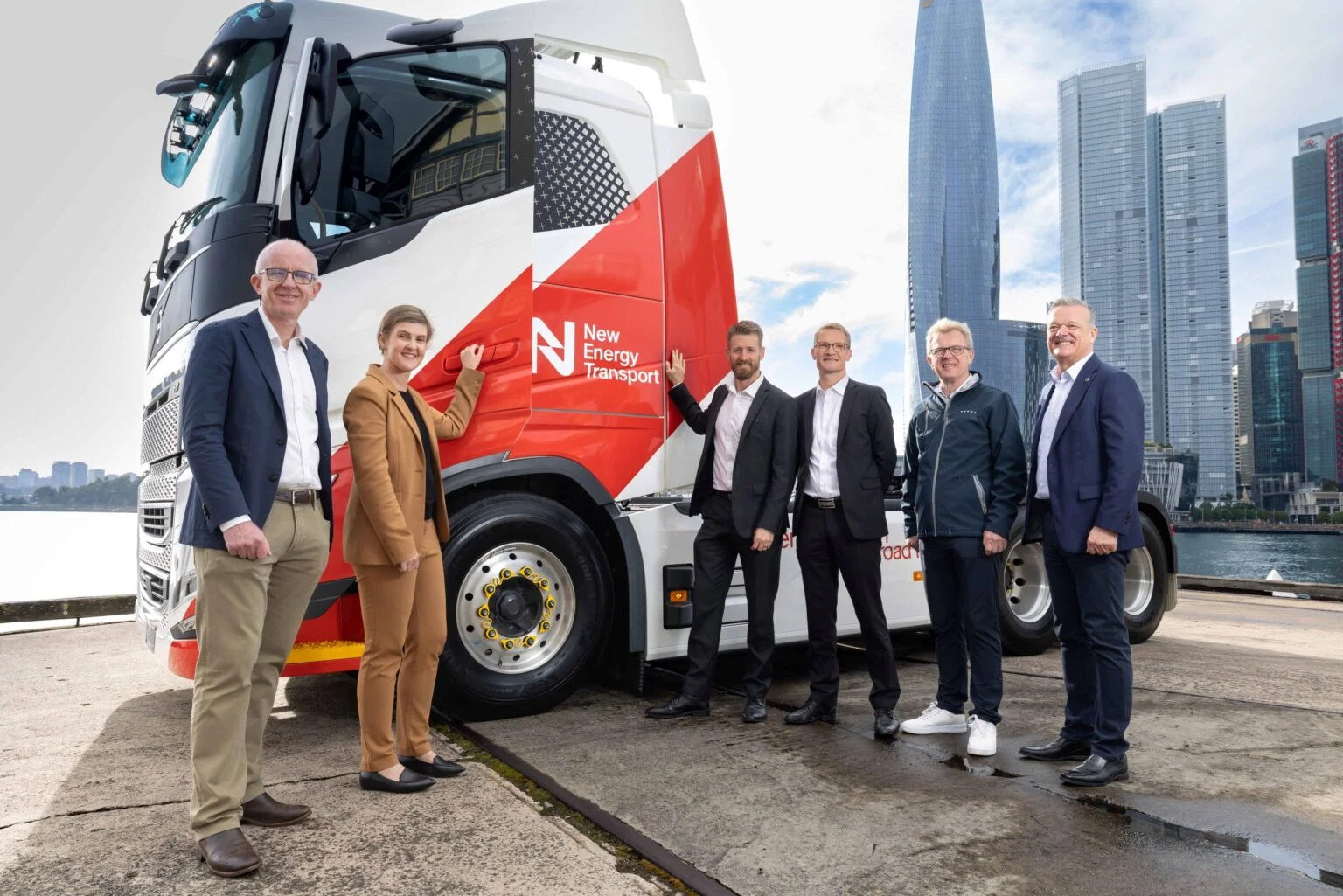
Australia's first fully electric end-to-end freight delivery has demonstrated the potential of electrification across the road freight supply chain. A battery-electric truck transported consumer goods from Sydney to Canberra, where the freight was transferred to electric last-mile delivery vehicles for distribution to customers. The project delivered an 84 per cent reduction in energy costs compared with a diesel truck and completed the journey faster than a conventional vehicle. It demonstrates that electric freight can reduce emissions, lower operating costs and strengthen supply chain resilience. Case study credit: New Energy Transport, ANC and Who Gives A Crap.
The policy ask
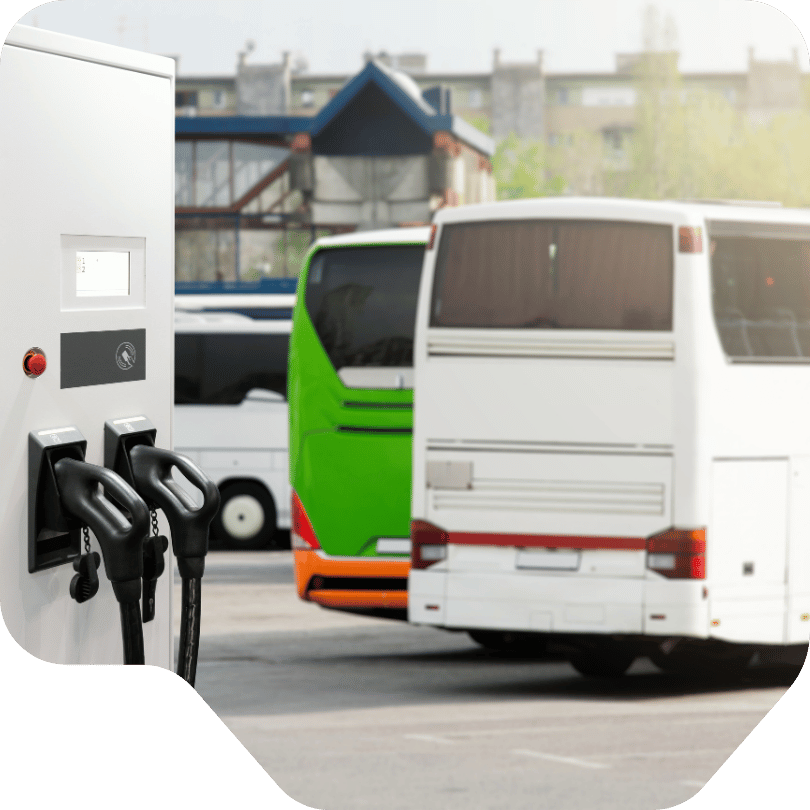
An Electrified Freight program would target support where the barrier is sharpest: the upfront cost gap facing small and medium operators, by offering: Incentives to replace trucks. An Accessible EVs program. Both programs would be supported by targeted investment in charging infrastructure along nationally significant freight corridors, informed by a nationally coordinated, data-driven approach, to expand access to dual-use EV charging hubs in locations such as airports, freight depots and tourist hotspots.
Support delivered three ways: A point-of-sale voucher for new electric trucks, with the discount delivered by the supplier at purchase, so operators see the saving upfront rather than waiting on a rebate. Discounts to the national component of heavy vehicle registration fees. A tax incentive such as accelerated depreciation or instant asset write-offs for electric vehicles
Two mechanisms: 1) Targeted financial assistance to lower- and middle-income people to purchase a subsidised electric vehicle. 2) An EV social leasing scheme, leasing low-emission vehicles and smart chargers to low-income households
Power more of Australia's vehicles with affordable locally produced electricity.
New 'Electrified freight' program to reduce upfront costs of light commercial and heavy vehicle electrification for small and medium sized businesses.</p><p>New 'Accessible EVs' program that reduces upfront costs on new and second-hand cars and charging infrastructure for low-income households.
A platform for change
The barriers differ by sector. The answer is the same everywhere — clear policy signals, effective regulation and targeted incentives that reach the people and businesses currently locked out of the switch.
Put around $2,000 a year in savings within every household’s reach.
An Electrified Households package — new targeted and conditional Commonwealth funding for states, territories and councils to electrify rental properties, social housing, and First Nations and low-income households currently locked out of the switch.
Give manufacturers energy costs they can count on.
An Electrified Industry program targeting key subsectors to move to heat pumps for low temperature process heat. Alongside it, legislate a demand-side compliance mechanism into the Domestic Gas Reservation Scheme.
Back the switch already underway on Australian farms.
An Electrified Farming program to give farmers choice to replace equipment that is well suited to electrification. Alongside it, remove the regulatory barriers to on-farm energy sharing that do not exist for liquid fuels.
Stop importing the fuel that moves everything we buy.
Two programs, equally weighted. An Electrified Freight program to cut upfront costs for small and medium businesses. And an Accessible EVs program for new and second-hand cars and charging infrastructure for low-income households.
Signal where the energy system is heading, then build for it.
Issue an Australia’s Electric Future vision statement setting out the central role of electrification in every sector. Alongside it, set up Connecting the Suburbs and Connecting the Regions programs.
Take the tax thumb off the diesel scale.
Cap the diesel Fuel Tax Credit regime to incentivise electrification of mining equipment, while protecting the businesses that depend on it. Farmers and small and medium enterprises stay untouched.
Buildings that cost less to run, for owners and tenants alike.
An Electrified Commercial Buildings program that strengthens finance and procurement settings. Alongside it, accelerate the expansion of the Commercial Building Disclosure program.
Electrify Australia is a growing movement of consumer, business, civil society and research groups advocating for a national effort to accelerate electrification, to secure an affordable and resilient energy future for everyone.
Electrification means swapping gas, diesel and petrol for electric alternatives powered by renewables, so households, businesses and industry run on cheaper energy that's made in Australia.
* Footnote on modelling:
Today” is 2023-24, the latest available data from the Australian Energy Update 2025. 2035 numbers are EEC analysis of a scenario based on Climateworks Centre Centre decarbonisation scenarios 2023: Paris Agreement alignment for Australia. This is consistent with sourcing around 35% of Australia's final demand from electricity in 2035.