Energy costs Australian manufacturers can count on
Industrial heat pumps deliver three times the energy for the same cost as gas boilers. Thousands of Australian manufacturers are still running on gas.
Sector opportunity: The technology to change is ready today
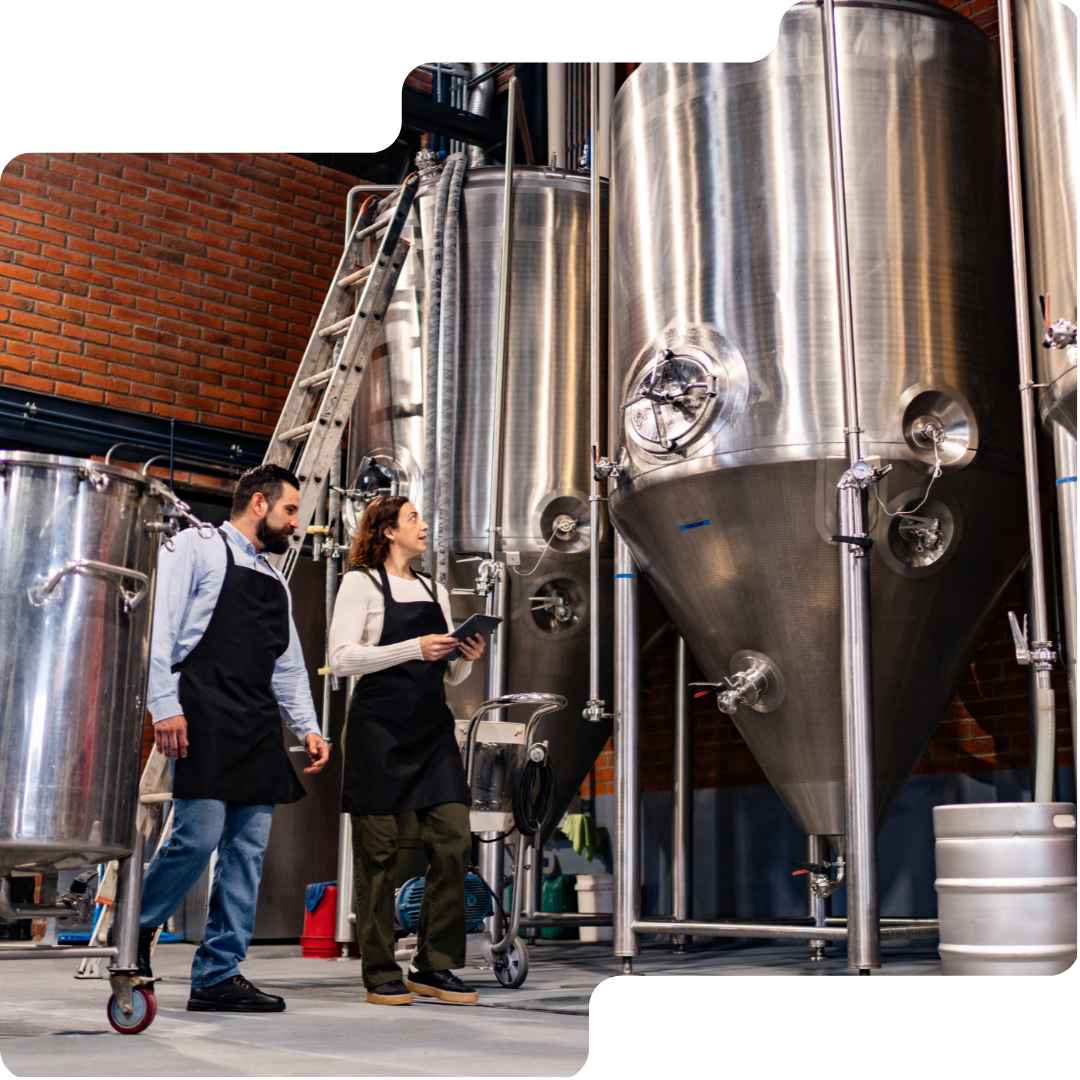
Strong Australian industry means secure jobs and thriving communities, and it starts with energy costs businesses can count on. Industrial heat pumps deliver three times the energy for the same cost as gas boilers, and food and beverage manufacturers, breweries, laundries and commercial kitchens could all be running on them now.
80%
Over 80 per cent of Australian business leaders already see electrification as the way to become more competitive and bring energy bills down for good.
2-10%
Investments in energy productivity can lift annual profits by 2 to 10 per cent.
What's possible
Modelling* shows Australia can power a greater share of industry with electricity.
Today
Electricity share of energy use
By 2035
Electricity share of energy use by 2035
Electrifying industrial heat
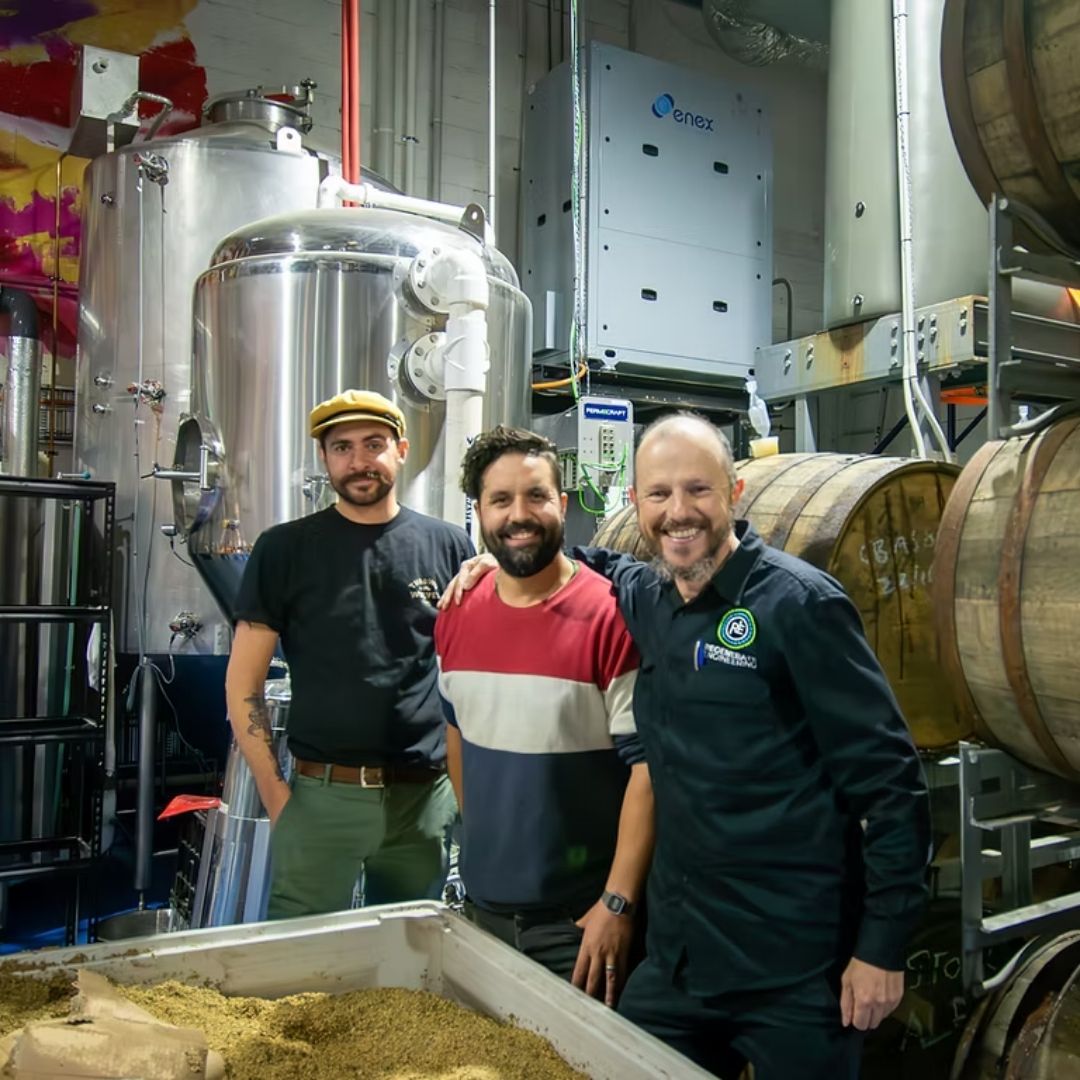
Melbourne brewery 3 Ravens is demonstrating how electrification can reduce emissions and support business growth.
Brewing relies on both heating and cooling, making it one of the more energy-intensive food and beverage manufacturing processes. As part of a major upgrade of its Thornbury facility, 3 Ravens adopted an electrification-focused approach designed to increase production while improving energy performance. Central to this was the installation of a high-efficiency heat pump system capable of simultaneously providing heating and cooling to different parts of the brewing process. By capturing and reusing waste heat that would otherwise be lost, the system reduces energy demand and replaces the need for separate fossil fuel-based heating systems. The brewery also complemented the upgrade with rooftop solar, building improvements, and advanced energy management technology, creating a highly integrated, all-electric energy system. The project was supported by the Australian Alliance for Energy Productivity (A2EP) and funded by the Australian Renewable Energy Agency (ARENA) through its Advancing Renewables Program. Case study credit: A2EP
The policy ask
A targeted Electrified Industry program focused on key subsectors would help accelerate the uptake of low temperature process heat electrification, reducing energy costs, improving productivity and strengthening the competitiveness of Australian manufacturers while reducing exposure to gas supply constraints and price volatility, by offering: Support for businesses in key subsectors to move to electric process heat. A demand-side compliance mechanism in the Domestic Gas Reservation Scheme. Legislating this mechanism would turn an existing obligation into new investment in Australian industry, at no cost to taxpayers, while providing another option to help LNG exporters minimise the costs of compliance.
Four forms of support: Technical advice and feasibility assessments to identify electrification opportunities. Grants and concessional finance for industrial heat pumps and other electrification technologies</li><li>Support for reskilling to enable workforce development in priority sectors and regions</li><li>Industry-led networks that enable collaboration and knowledge sharing around electrification projects in priority sectors.
Two changes to the scheme: Include a demand-side efficiency and electrification compliance mechanism in the DGRS that delivers additional, verifiable and non-double-counted reductions in gas demand. Design this mechanism so that it allows gas exporters to reduce their annual or accrued domestic supply obligations by funding additional, verified and durable reductions in domestic gas demand that are equivalent to new gas supply.
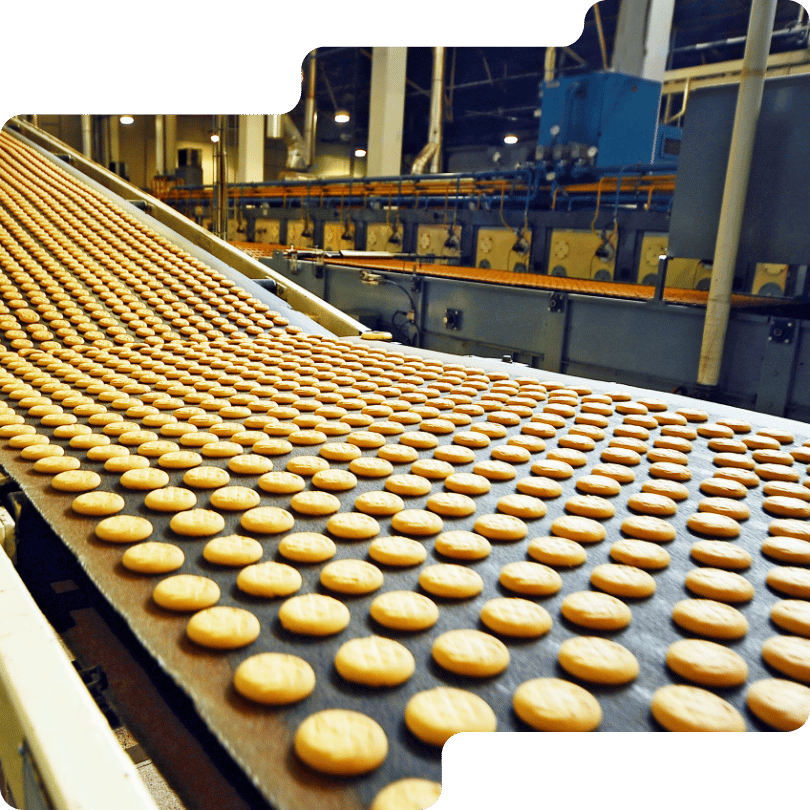
Electrify Australian industry to boost productivity and competitiveness.
New 'Electrified industry' program that targets key subsectors (i.e. food processing) to move to heat pumps for low temperature process heat. Legislate a demand-side compliance mechanism into the Domestic Gas Reservation Scheme.
A platform for change
The barriers differ by sector. The answer is the same everywhere — clear policy signals, effective regulation and targeted incentives that reach the people and businesses currently locked out of the switch.
Put around $2,000 a year in savings within every household’s reach.
An Electrified Households package — new targeted and conditional Commonwealth funding for states, territories and councils to electrify rental properties, social housing, and First Nations and low-income households currently locked out of the switch.
Give manufacturers energy costs they can count on.
An Electrified Industry program targeting key subsectors to move to heat pumps for low temperature process heat. Alongside it, legislate a demand-side compliance mechanism into the Domestic Gas Reservation Scheme.
Back the switch already underway on Australian farms.
An Electrified Farming program to give farmers choice to replace equipment that is well suited to electrification. Alongside it, remove the regulatory barriers to on-farm energy sharing that do not exist for liquid fuels.
Stop importing the fuel that moves everything we buy.
Two programs, equally weighted. An Electrified Freight program to cut upfront costs for small and medium businesses. And an Accessible EVs program for new and second-hand cars and charging infrastructure for low-income households.
Signal where the energy system is heading, then build for it.
Issue an Australia’s Electric Future vision statement setting out the central role of electrification in every sector. Alongside it, set up Connecting the Suburbs and Connecting the Regions programs.
Take the tax thumb off the diesel scale.
Cap the diesel Fuel Tax Credit regime to incentivise electrification of mining equipment, while protecting the businesses that depend on it. Farmers and small and medium enterprises stay untouched.
Buildings that cost less to run, for owners and tenants alike.
An Electrified Commercial Buildings program that strengthens finance and procurement settings. Alongside it, accelerate the expansion of the Commercial Building Disclosure program.
Electrify Australia is a growing movement of consumer, business, civil society and research groups advocating for a national effort to accelerate electrification, to secure an affordable and resilient energy future for everyone.
Electrification means swapping gas, diesel and petrol for electric alternatives powered by renewables, so households, businesses and industry run on cheaper energy that's made in Australia.
* Footnote on modelling:
Today” is 2023-24, the latest available data from the Australian Energy Update 2025. 2035 numbers are EEC analysis of a scenario based on Climateworks Centre Centre decarbonisation scenarios 2023: Paris Agreement alignment for Australia. This is consistent with sourcing around 35% of Australia's final demand from electricity in 2035.